


Shin Splints: Causes, Symptoms and 6 Ways to Prevent Them
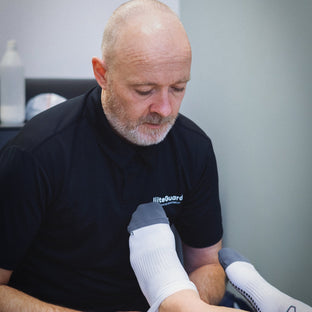
This article was written with input from
Nicklas Falkesgaard Pedersen
Physiotherapist
Does the inside of your shin ache during or after your runs?
Then you may have shin splints, one of the most common overuse injuries in runners. The good news is that you can do a lot to prevent them, and most runners get back to normal training once the load is right.
In this article, you'll learn:
- What shin splints are and how they feel
- When you should see a doctor
- Why runners get shin splints
- 6 ways to prevent shin splints
What are shin splints?
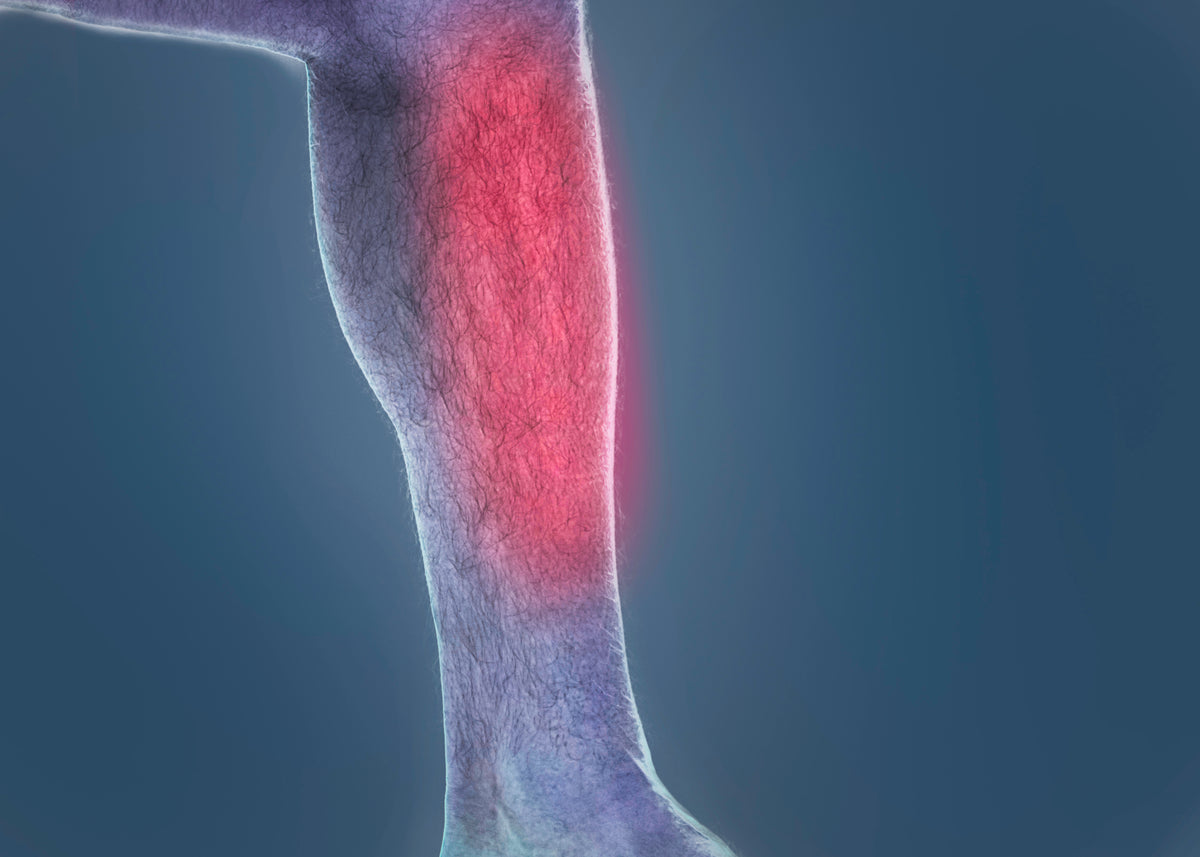
Shin splints, or medial tibial stress syndrome, is pain along the inner edge of the shinbone, usually in the lower two-thirds. The pain comes from the area where muscles and tendons attach close to the bone, when that tissue is loaded more than it can handle.
One of the muscles involved is the tibialis posterior, which helps support the arch of your foot. When it has to work too hard, the area where it attaches along the shin gets irritated.
Symptoms of shin splints
- Tenderness along the inner edge of the lower shin.
- Small, very tender lumps in the tissue close to the bone.
- Pain that often eases once you're warm, then comes back after the run.
- Soreness in the hours or the day after running.
When to see a doctor
If the pain sits on one specific spot on the bone, hurts when you hop on that leg or is there even when you rest, it could be a stress fracture. Stop running and see a doctor. The same goes for swelling, numbness or pain that keeps getting worse.
Why do runners get shin splints?
Shin splints are an overuse injury. The most common triggers are:
- Starting to run, or coming back after a long break.
- Increasing your mileage or the number of runs too quickly.
- Switching to harder surfaces or new shoes.
- Running in worn-out shoes.
Some runners get shin splints without changing their training at all. Then the cause is often the way they load their feet.
"A very common cause of shin splints is overpronation. If your foot tends to roll in on the inner edge when you walk and run, the muscle on the inside of your shin has to work much harder, and over time its tendon can get overloaded," says physiotherapist Nicklas Falkesgaard Pedersen, co-founder of liiteGuard.
Read more about how to spot it in our guide to overpronation.
6 ways to prevent shin splints
1. Build up gradually
Increase your running slowly, so your bones, muscles and tendons have time to adapt. A common rule of thumb is to add no more than about 10% a week.
2. Wear the right shoes
Choose shoes that suit your feet and your running style and feel comfortable from the first step. Replace them regularly, typically every 500-600 miles (800-1,000 km).
3. Strengthen your lower legs, hips and core
Strong calves help absorb the impact of every step, while strong hips and a strong core help keep your legs stable. Start with our strength training for runners and gluteus medius exercises.
4. Stretch your calves
Regular stretching of your calves and Achilles tendons keeps your lower legs mobile. Hold each stretch for about 30 seconds after your runs.
5. Land softly
Avoid overstriding, so your foot lands closer under your body instead of far out in front. A slightly higher cadence makes that easier. Read more in our guide to running form.
6. Vary your surfaces
Mix asphalt with gravel paths, grass and trails. Shin splints are especially common when you run a lot on hard surfaces or switch to them suddenly.
Can you run with shin splints?
Mild shin splints don't always mean a full stop. Cut back on distance and speed, choose softer surfaces and keep the discomfort low: a mild ache that settles by the next morning.
If the pain gets worse during your runs or lingers, stop running and see a physiotherapist. Cycling and swimming keep your fitness up while your shins settle down.
Frequently asked questions about shin splints
How long do shin splints take to heal?
Often a few weeks with reduced load. It takes longer if you keep running through the pain, so adjust your training early.
Should you ice shin splints?
Ice can ease the soreness after a run, but it doesn't fix the cause. Getting the load right is what makes the difference.
Are shin splints the same as a stress fracture?
No. Shin splints cause tenderness along a longer stretch of the shin, while a stress fracture usually hurts on one small spot. If you're in doubt, see a doctor.