

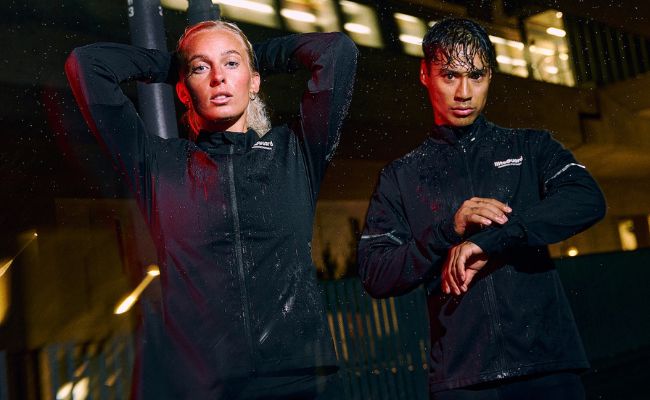
What to Wear Running: A Guide for Every Temperature
Standing by the door, wondering whether you need a jacket?
What to wear running depends mostly on the temperature, the wind and how hard you plan to run. Dress too warmly and you're soaked in sweat after ten minutes. Dress too lightly and you never really warm up.
This guide shows what to wear at every temperature, from warm days above 60°F (16°C) to freezing runs below 20°F (-7°C).
In this article, you'll learn:
- The simple rule for dressing for a run
- What to wear running at every temperature
- How to layer your running clothes
- When to choose shorts and when to choose tights
- How wind, rain and intensity change your choice
The rule of thumb: dress as if it's 15-20°F (8-11°C) warmer
Your body produces a lot of heat once you start running. A good rule of thumb is to dress as if it's 15-20°F (8-11°C) warmer than the actual temperature.
In practice, you should feel a little cold when you step out the door. After 10-15 minutes, you'll be comfortable.
- Easy runs and long runs: Lean toward the warmer end, because you produce less heat at a gentle pace.
- Intervals and races: Dress lighter. You warm up fast, and you can wear an extra layer for the warm-up and take it off before the hard part.
What to wear running at every temperature
Go by the "feels like" temperature in your weather app, since it includes the wind. Use the table as a starting point and adjust it to whether you usually run warm or cold.
| Temperature | What to wear |
|---|---|
| 60°F (16°C) and above |
Top: Singlet or T-shirt Bottom: Shorts Extras: Cap and sunglasses |
| 50-60°F (10-16°C) |
Top: T-shirt, maybe arm sleeves Bottom: Shorts Extras: Cap |
| 40-50°F (4-10°C) |
Top: Long-sleeve base layer, maybe a windbreaker Bottom: Shorts or tights Extras: Light gloves |
| 30-40°F (-1 to 4°C) |
Top: Base layer and a running jacket Bottom: Long tights Extras: Gloves and a headband or beanie |
| 20-30°F (-7 to -1°C) |
Top: Base layer, mid layer and a windproof jacket Bottom: Warm long tights Extras: Warm gloves, beanie and neck gaiter |
| Below 20°F (-7°C) |
Top: Three layers with a windproof outer layer Bottom: Warm tights, maybe with wind pants on top Extras: Mittens, beanie and a neck gaiter over the face |
How to layer your running clothes
Several thin layers work better than one thick jacket. The air between the layers keeps you warm, and you can take a layer off when you heat up.
1. Base layer
The base layer sits against your skin and moves sweat away. Choose merino wool or a technical synthetic fabric. Avoid cotton, which soaks up sweat and makes you cold.
The MERINO HYBRID LONG SLEEVE combines merino wool with technical polyester. Wear it on its own on cool days or under a jacket when it's freezing. It's available for men and women among our base layers.

2. Mid layer
Below about 30°F (-1°C), add a thin long sleeve on top of the base layer. It traps an extra layer of warm air without making you feel bulky.
3. Outer layer
The outer layer protects you from wind and rain. On cool, dry days, a light windbreaker is enough. The AERO-TECH WINDBREAKER repels wind and water, breathes well and packs down small. It also has reflective details and a watch window.

When it's both cold and wet, choose a waterproof jacket instead. Read more in our guide to running in the rain, or see all our running jackets.
Shorts or tights?
Your legs produce a lot of heat when you run, so they need less covering than your upper body. Many runners wear shorts down to around 40°F (4°C) and switch to long tights below that.
GLU-TECH LONG TIGHTS are close-fitting running tights with four-way stretch, side pockets and reflective logos. The elastic GLU-TECH band is designed to support the glutes. A study carried out in the movement lab at Aalborg University indicates that the tights can increase stability around the hip during running, especially when the glutes get tired.

On the coldest days, choose a warmer pair. You'll find all styles among our running tights.
Don't forget your hands, head and feet
Your fingers, ears and toes get cold first, because your body works hardest to keep your core warm.
- Hands: Wear light gloves from around 45°F (7°C) and warmer gloves or mittens below freezing.
- Head and ears: A headband is often enough down to around freezing. Below that, switch to a beanie.
- Feet: Choose running socks in merino wool or a synthetic fabric. Cotton socks hold on to sweat and rain.
The LIGHT RUNNING GLOVE is a thin glove for cool days, with touchscreen fingertips so you can use your phone without taking it off.

You'll find caps, headbands, beanies and gloves among our running accessories and socks in our running socks collection.
Wind, rain and intensity change the picture
- Wind: A strong wind can make 40°F (4°C) feel like it's below freezing. Add a windproof layer.
- Rain: Wet clothes cool you down faster. See our tips for running in the rain.
- Sun: Bright sunshine makes a cold day feel noticeably warmer, so you may need one layer less.
- Darkness: On morning and evening runs, choose clothes with reflective details. Read more about running at night.
- Duration: On long runs, the weather can change along the way. Choose layers you can take off and carry.
Heading out on a really cold day? Read our tips for running in the cold. You can also see our full range of running clothes.
Frequently asked questions about what to wear running
Is 40°F too cold for running?
No. 40°F (4°C) is a comfortable running temperature for most people. A long-sleeve base layer, light gloves and either shorts or tights will usually do the job.
Can you run in shorts in 40-degree weather?
Yes. Many runners wear shorts down to around 40°F (4°C), especially on faster runs. If it's windy or you're running slowly, tights are more comfortable.
What should you wear running in 30-degree weather?
At 30°F (-1°C), wear a base layer under a running jacket, long tights, gloves and a beanie or headband. If you run slowly or for a long time, add a thin mid layer.
Have you read?
What Is Sensory Feedback? Body Awareness for Runners Explained
What sensory feedback and proprioception are, why they matter for runners and 4 exercises to train them.
Read more
Achilles Pain From Running: Causes, Exercises and Prevention
The signs of Achilles tendinopathy, why runners get it and the slow calf exercises physiotherapists recommend.
Read more