

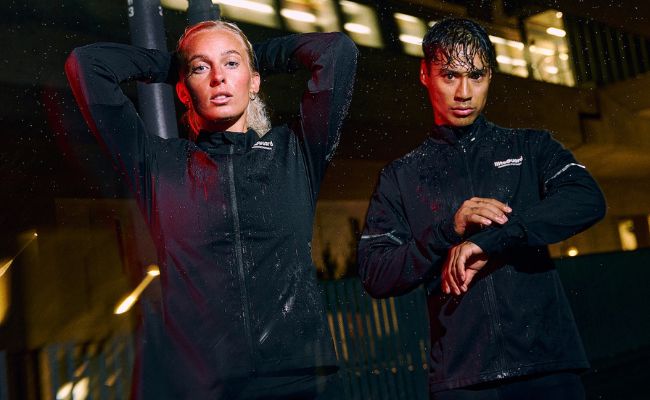
Running in the Cold: 9 Tips for Winter Running
Too cold to run today?
Running in the cold is safe for most healthy runners, and crisp, clear winter days can give you some of the best runs of the year. With a proper warm-up, the right layers and a few safety habits, you can keep training all winter.
In this article, you'll learn:
- Whether running in the cold is good for you
- What temperature is too cold to run
- 9 tips for running in the cold
- The warning signs of frostbite and hypothermia
Is running in the cold good for you?
Yes, for most people. Cool weather is close to ideal for running, because your body doesn't have to work as hard to get rid of heat as it does on a warm day.
The challenges are different: staying warm until your body heats up, keeping your footing on icy roads and not getting chilled when you stop.
If you have asthma, heart disease or another chronic condition, talk to your doctor before you train in very cold weather.
What temperature is too cold to run?
There's no fixed limit. The wind chill matters more than the number on the thermometer, so check the "feels like" temperature before you head out.
Healthy runners can run safely well below freezing as long as they cover their skin. The risk rises when the wind chill drops below about -18°F (-28°C), where exposed skin can get frostbite in around 30 minutes. On those days, a short loop close to home or a treadmill session is the smart choice.
9 tips for running in the cold
1. Warm up indoors
Cold muscles feel stiff. Spend 5-10 minutes warming up inside with leg swings, lunges, high knees and a few squats. Then head out and run the first 10 minutes at an easy pace. You'll find a simple routine in our guide to warming up before running.
2. Dress for a warmer day
Dress as if it's 15-20°F (8-11°C) warmer than it is, so you feel slightly cold when you step outside. Our guide to what to wear running at every temperature shows what to choose.
Below about 40°F (4°C), most runners switch to long tights. GLU-TECH HOT LONG TIGHTS are made for colder runs. The fabric moves sweat away from the skin, and two pockets hold your phone and keys.

3. Keep your hands warm
Your body protects your core first, so your fingers get cold quickly. Mittens are warmer than gloves, because your fingers share their heat.
The 2IN1 RUNNING GLOVE has a fold-out cover that blocks wind and water. When your hands warm up, you tuck it away in a small pocket on the glove.

4. Cover your head and ears
Your ears stick out and lose heat fast. Below freezing, a beanie is the most comfortable choice. The RUNNING MERINO BEANIE has two layers of merino wool around the ears and a ventilated top, so you don't overheat when the pace picks up.

5. Don't worry about cold air in your lungs
Cold air can't freeze your lungs. Your nose, mouth and airways warm and moisten the air before it gets there.
Very cold, dry air can still irritate your throat and make you cough. On the coldest days, many runners pull a neck gaiter up over their mouth, so the air feels less harsh. The RUNNING NECK GAITER is light and soft, and you can pull it up and down as you run.

If you get wheezing, chest tightness or shortness of breath when you run in the cold, see a doctor.
6. Start into the wind
Run the first half of your route into the wind and the second half with the wind at your back. That way, you avoid an icy headwind on the way home, when you're warm and sweaty.
7. Watch your footing on ice and snow
- Take shorter, quicker steps and land with your feet under your body.
- Run by effort, not pace. Snow and slush slow everyone down.
- Avoid painted road markings, metal covers and shady patches, where ice stays longest.
- On icy trails, shoes with deep lugs or slip-on traction devices give you better grip.
8. Stay visible and plan your route
Winter days are short, and many runs happen in the dark. Wear reflective details, choose lit routes and tell someone where you're going. Read our tips for running at night.
9. Get out of wet clothes quickly
Your body cools down fast once you stop. Change into dry clothes straight after your run and have a warm drink. Remember water too. You still sweat in the cold, and you lose fluid every time you breathe out the dry winter air.
Caught in winter rain? See our advice on running in the rain. You'll find gloves, beanies and neck gaiters among our running accessories.
Warning signs of frostbite and hypothermia
Both are rare for well-dressed runners, but it's worth knowing the signs.
- Frostbite: Numbness, tingling and skin that turns white, gray or waxy, most often on fingers, toes, ears, nose or cheeks. Get inside and warm the area gently in lukewarm water. Don't rub the skin, and see a doctor if the numbness doesn't go away or the skin blisters.
- Hypothermia: Intense shivering, confusion, slurred speech, clumsiness and extreme tiredness. Get to a warm place and call for medical help.
Frequently asked questions about running in the cold
Can running in the cold make you sick?
No. Colds are caused by viruses, not by cold air. But if you stay in sweaty clothes after your run, you can get chilled, so change as soon as you're home.
Should you run slower in the cold?
Start slower, because your muscles take longer to warm up. Once you're warm, you can run at your normal pace, unless snow or ice makes it unsafe.
Is it better to run on a treadmill in winter?
Only on days with a very low wind chill, heavy snow or ice. The rest of the time, outdoor runs give you fresh air and more varied terrain.