


How to Start Running: A Beginner's Guide to Your First Runs
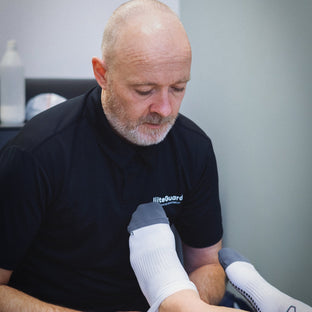
This article was written with input from
Nicklas Falkesgaard Pedersen
Physiotherapist
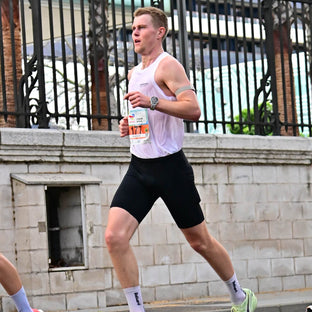
This article was written with input from
Nikolaj Bonde
Running coach and elite runner
Want to start running, but not sure how?
Running is one of the easiest ways to get fit. You don't need a gym, a team or expensive gear, just a pair of shoes and a little patience. The key is to start slowly enough that your body can keep up with your motivation.
In this article, you'll learn:
- How to start running as a complete beginner
- How far and how often to run in the beginning
- What you need to get started
- How to stay motivated and avoid common mistakes
How should a beginner start running?
Start by mixing running and walking. For example, run for 1 minute and walk for 2 minutes, and repeat that 6-8 times. Each week, run a little longer and walk a little less.
Keep the pace easy. You should be able to talk while you run. If you can't, slow down or walk for a while. Running slowly isn't cheating. It's how almost every runner builds a base.
Running coach Nikolaj Bonde's beginner program follows the same idea. With 2-3 runs a week, it builds up over 10-12 weeks until you can run about 2 miles (3 km) without a break.
How often should you run when you're new?
Your heart and lungs adapt faster than your muscles, tendons and bones. That's why many new runners feel ready for more before their body actually is.
"If you're new to running, I recommend running every fourth day at first, so you get two rest days between each run, even if your motivation is sky-high and your new running shoes are waiting by the door," says physiotherapist Nicklas Falkesgaard Pedersen, co-founder of liiteGuard.
After a few weeks, you can move up to three runs a week. Increase one thing at a time: the number of runs, the time or the pace.
How far should a beginner run?
Think in minutes rather than miles. 15-20 minutes of easy run-walking, three times a week, is a great start. Once you can run 20-30 minutes without stopping, you're ready to think about distance and maybe your first 5K. See what to expect in our guide to average 5K times.
What you need to start running
- Running shoes: Choose a pair that feels comfortable from the first step. A running store can help you find the right fit.
- Comfortable running clothes: Breathable fabrics that move sweat away from your skin. Avoid cotton, which stays wet. Browse our running clothes.
- Good socks: Synthetic or merino running socks are more comfortable than cotton.
- Clothes for the weather: See our guide to what to wear running at every temperature.
A watch or a running app is nice to have, but not essential at the start.
7 tips for new runners
- Warm up first. A few minutes of brisk walking and some easy exercises get your body ready. Try our warm-up before running.
- Run slower than you think. Easy runs build your fitness. Read why in our guide to zone 2 running.
- Plan your runs. Put them in your calendar like any other appointment.
- Set a goal. A first 5K race gives your training direction.
- Find a running buddy or a club. It's easier to get out the door when someone is waiting for you.
- Add strength training. Two short sessions a week make your body more robust. See our strength training for runners.
- Listen to your body. Mild soreness is normal. Pain that gets worse while you run, or doesn't go away, means you should rest and get it checked.
Common beginner mistakes
- Doing too much too soon: Most overuse injuries in new runners come from increasing too quickly.
- Running every run hard: If every run leaves you gasping, you'll burn out fast.
- Skipping rest days: Your body gets stronger while you rest, not while you run.
- Comparing yourself to others: Everyone starts somewhere. Compare yourself to where you were last month.
Frequently asked questions about starting to run
How long does it take to get good at running?
Most beginners notice a clear difference after 4-8 weeks. Running 30 minutes without stopping is a realistic goal within 2-3 months.
Can you lose belly fat from running?
You can't choose where you lose fat, but regular running combined with a balanced diet helps you lose fat overall, including around your belly.
What is the 80% rule in running?
It means running about 80% of your training at an easy pace and about 20% harder. As a beginner, you can run almost all of your runs easy.