

RUNNING CLOTHES
Running clothes from liiteGuard are built around one idea: you should feel the run, not your clothes. From featherweight t-shirts and split shorts to rain jackets and brushed winter tights, every piece is made from technical fabrics that move sweat, stretch with your stride and keep the weight down.
Running clothes for every season and every distance
The right outfit changes with the weather far more than with the distance. A 5K in July and a marathon in October call for very different kit, while an easy run and a race on the same day can often be done in the same clothes.
That is why we think about running gear as a system of layers. You start with what sits against your skin, add warmth when you need it, and finish with protection from wind and rain on the days that call for it.
Next to the skin: base layers and tops
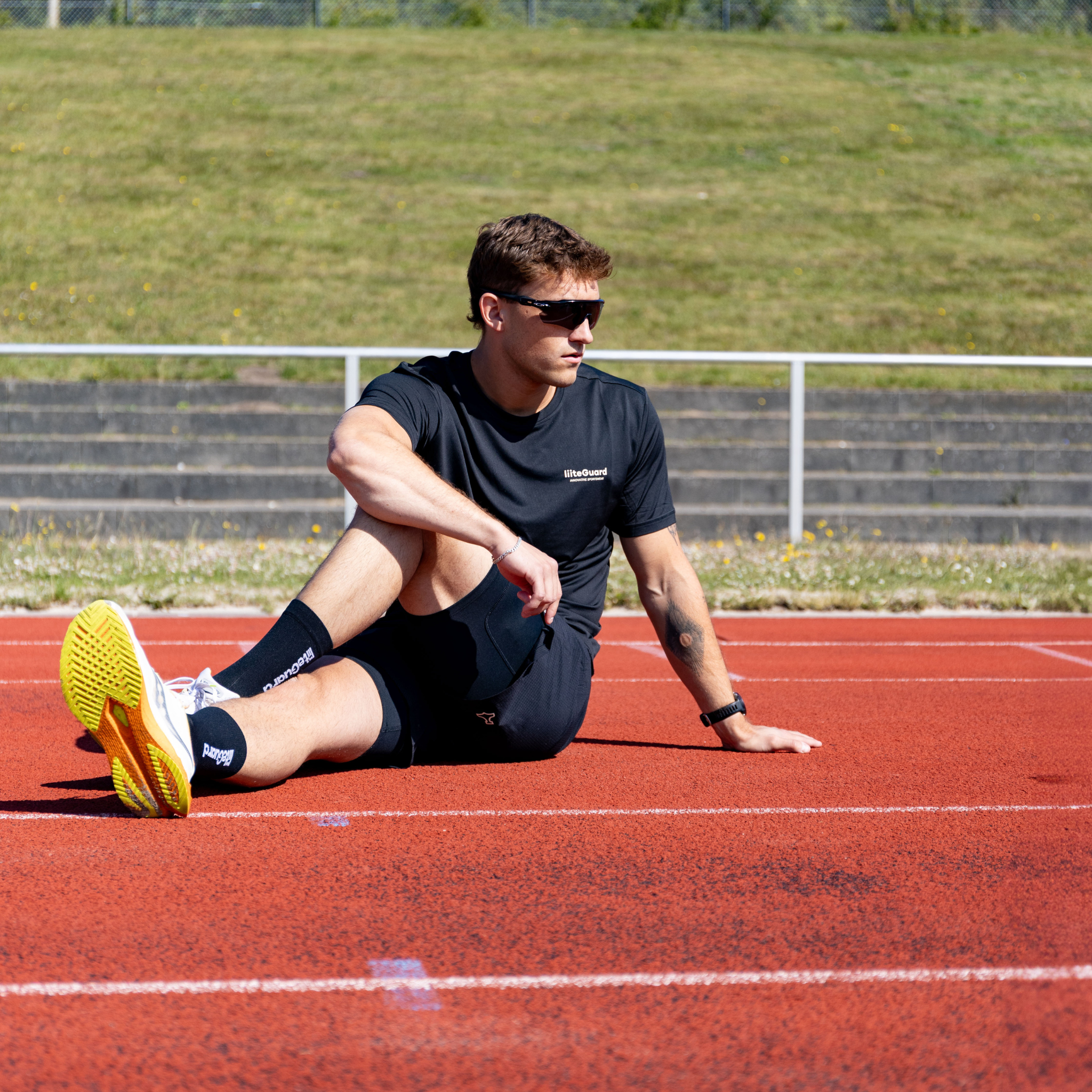
Your first layer has the most important job: getting sweat off your skin before it cools you down. Our running shirts include ultra-light GROUND-TECH tees with odor-fighting properties in the yarn, mesh-backed RE-LIITE tops and quarter-zips for cooler starts.
For cold days, our running base layers add a close-fitting layer under everything else, from merino blends to the skin-tight SPINE-TECH.
Legs: shorts, tights and pants
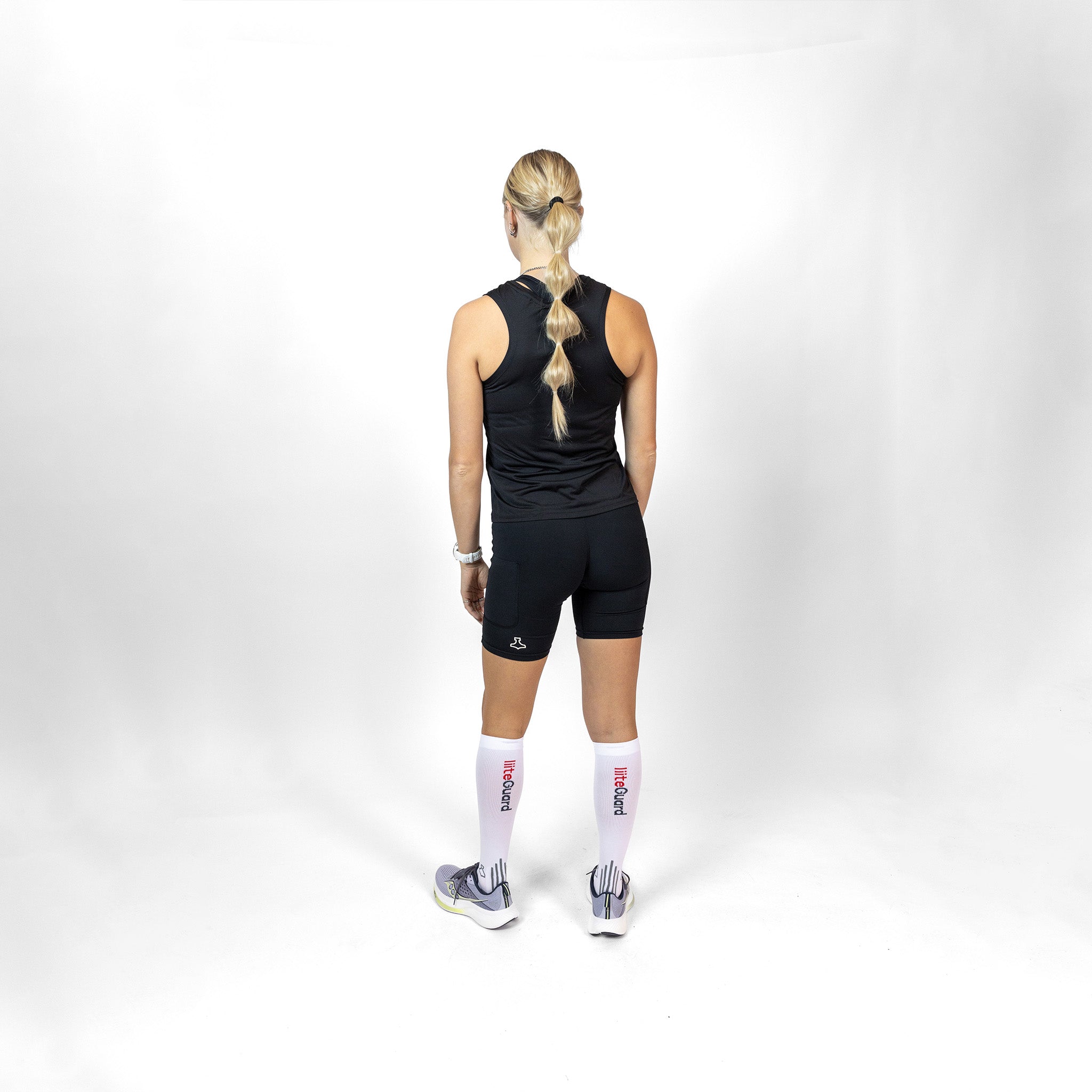
In warm weather, light running shorts keep you cool, whether you prefer split shorts or 2-in-1 shorts with inner tights. As the temperature drops, our running tights take over, many of them with the GLU-TECH band designed to support the muscles around your hips.
The GLU-TECH technology was developed together with physiotherapist Nicklas Falkesgaard Pedersen, who co-founded liiteGuard and has helped shape everything from our tights to our socks.
Outer layer: jackets and vests
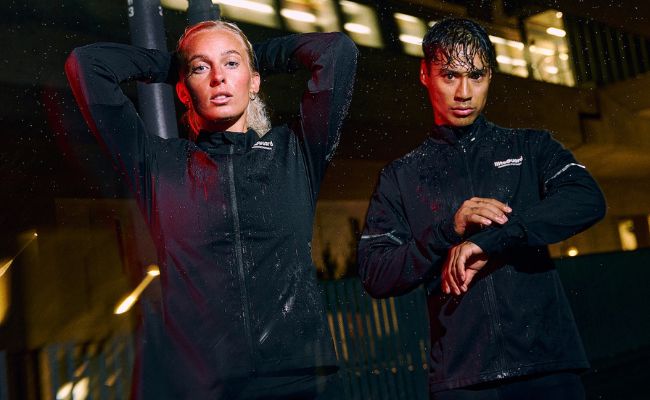
On windy or wet days, an outer layer makes the biggest difference. AERO-TECH WINDBREAKER weighs about 107 g in size M, packs down small and repels light rain and wind, and with 139 reviews it averages 4.7 out of 5.
When the rain is heavier, a waterproof HYDRO-TECH jacket or vest from our running jackets keeps you dry without trapping heat.
Feet and finishing touches
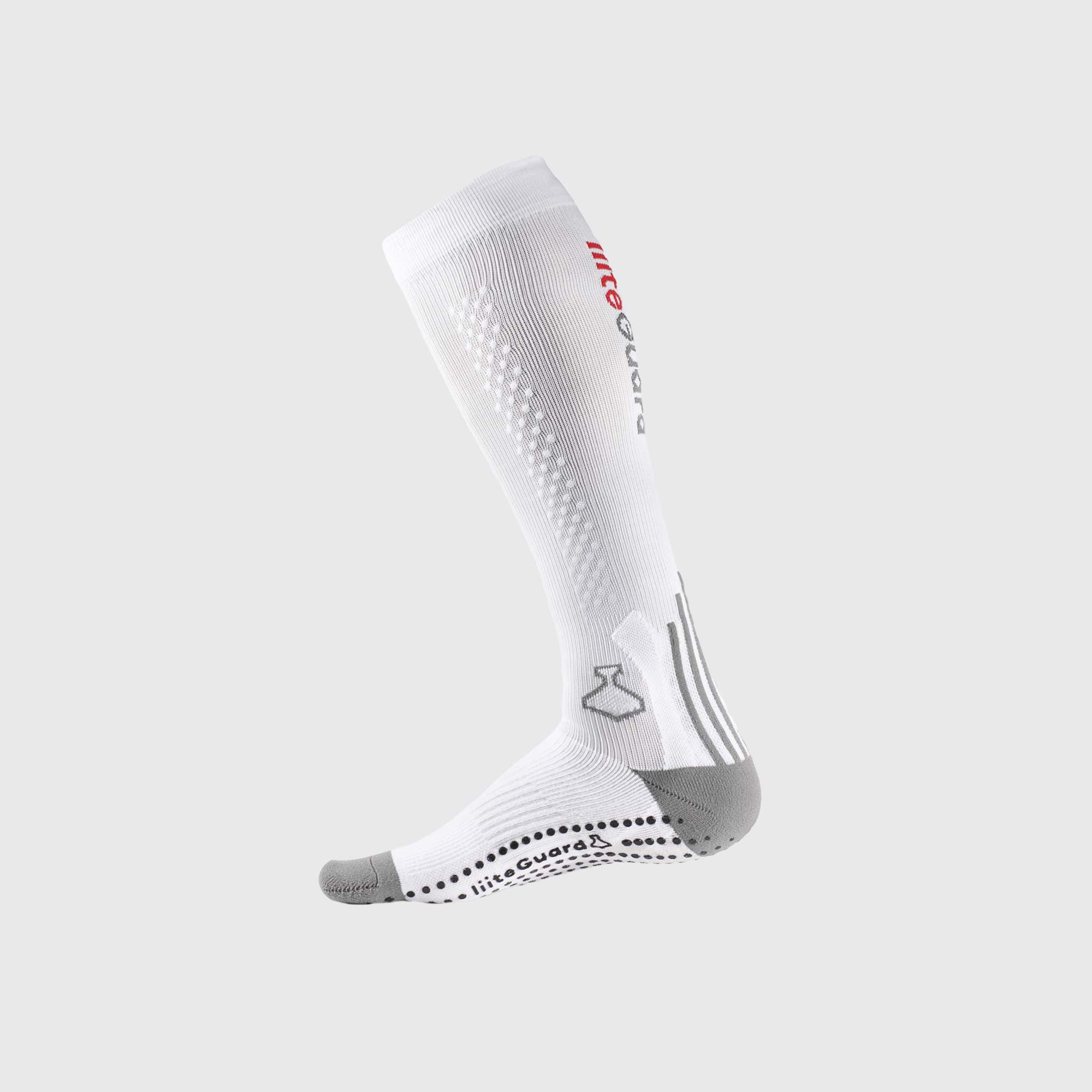
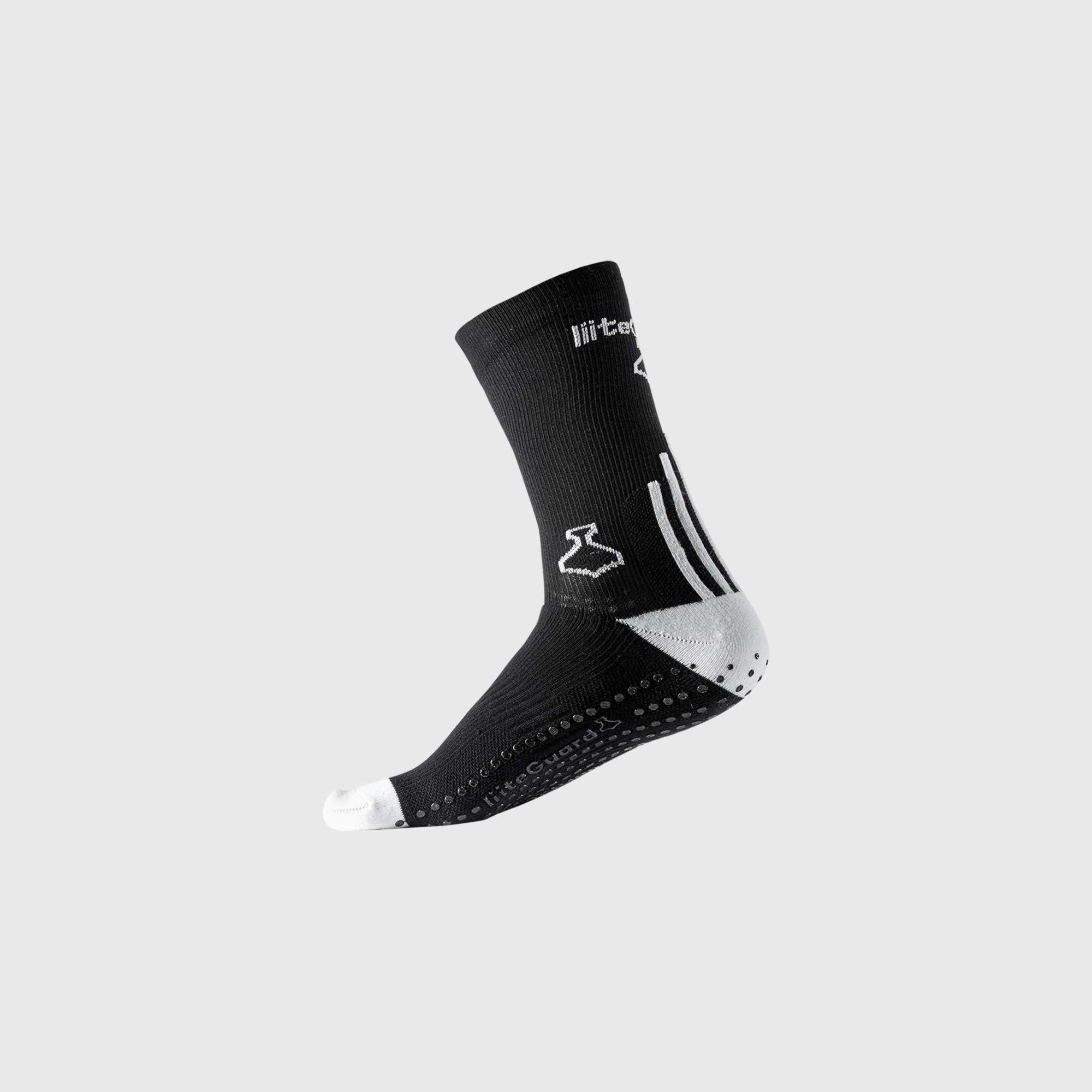
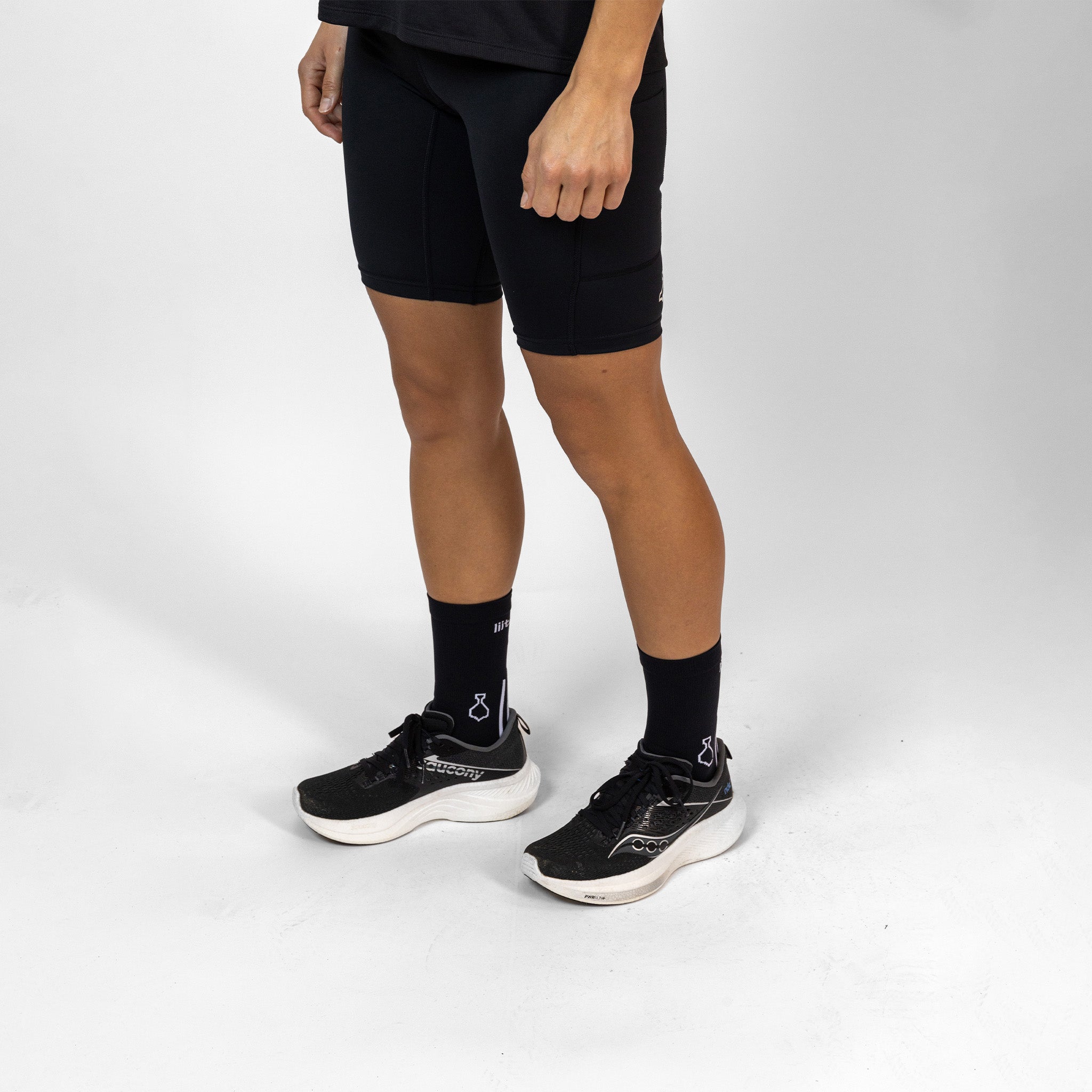
Socks are where many runners notice the difference first. Our running socks range from thin race socks to compression styles, and our running accessories cover gloves, beanies and arm warmers for the cold months.
What to wear for running, temperature by temperature
A simple rule of thumb: dress as if it were about 15 to 20°F (8 to 11°C) warmer than it is. You should feel slightly cool when you step out the door, because you will warm up within the first mile.
- Above 65°F (18°C): shorts and a singlet or light t-shirt.
- 50 to 65°F (10 to 18°C): shorts or short tights with a t-shirt, and a windbreaker if it is breezy.
- 35 to 50°F (2 to 10°C): long tights, a long-sleeved top and light gloves.
- Below 35°F (2°C): a base layer, brushed tights, a jacket, a beanie and warm gloves.
Men's and women's running clothes
Almost every piece we make comes in separate fits for men and women, cut for different body shapes and arm swings. Browse our men's running clothes and women's running clothes to see one fit at a time.
Wherever you run, your order travels from our warehouse in Denmark, and unused items can be returned within 30 days through our return portal. Customers on Trustpilot rate liiteGuard 4.7 out of 5 from more than 900 reviews.
Running clothes: FAQ
What should I wear for my first run?
Comfortable shorts or tights, a technical t-shirt and good running socks are enough to start. Technical fabrics matter more than brand or price, because they keep you dry and stop the fabric from getting heavy.
Can I run in cotton clothes?
You can, but cotton holds on to sweat, gets heavy and can feel cold as soon as you slow down. Polyester, nylon and merino blends dry much faster, which is why running clothes are made from them.
How many running outfits do I need?
If you run three or four times a week, two or three sets of tops and bottoms let you wash between runs. Add a jacket and long tights for the colder months, and you are covered for most of the year.
What should I wear to run in the dark?
Pick pieces with reflective details, which most of our jackets, windbreakers and tights have on the front and back. A light-colored top or a bright windbreaker over your outfit makes you easier to see as well.
Should running clothes be tight or loose?
It is a matter of preference. Close-fitting pieces stay in place and keep you warmer in the cold, while looser tops and shorts feel airier in the heat. Most runners mix both depending on the weather.