


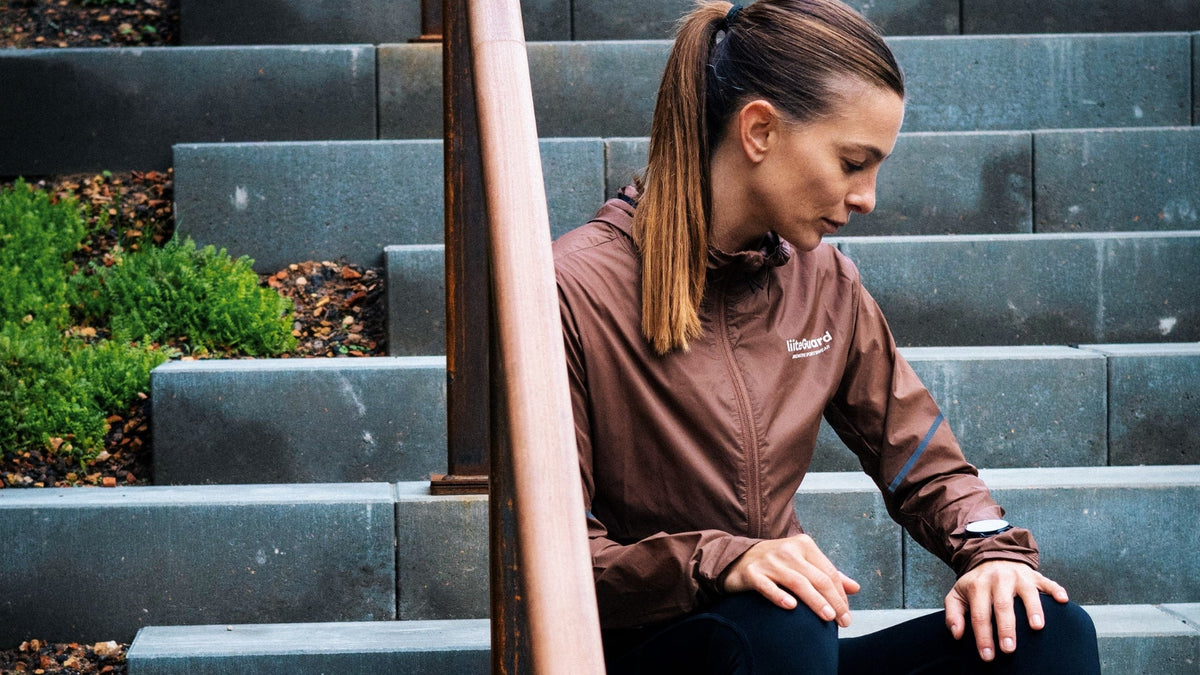
The best way to recover after a run
Recovery is the key to a stronger body and fewer injuries.
Whether you are new to running or an experienced runner, your body needs time and the right conditions to rebuild itself. Recovery is where you actually become a stronger, faster runner.
In this article you will find the best tips for optimising your recovery, so you are ready for your next run.
Among other things, you will learn:
- Why recovery matters if you want to become a better runner
- The 6 most important factors for recovering well
- How many hours you need to recover after different types of run
Why is recovery important?

Recovery is essential if you want to improve your performance and avoid injuries.
When you run, you put your muscles under load, which causes tiny micro-tears. These are actually good for your progress, as long as they have time to heal between sessions. Skip recovery and you get the opposite effect.
Without enough recovery, you risk:
- Injuries caused by overload and muscle tension.
- Reduced performance, because your body does not have time to rebuild.
- Lack of motivation, because fatigue takes away your desire to run.
In short, you break your muscles down during training and rebuild them during recovery, so they come back stronger than before.
Without recovery, you slow down your progress. Make it a priority if you want to run further, faster and with fewer injuries.
The 6 most important recovery factors

Effective recovery is about more than putting your feet up. That does boost blood flow and tell your body to relax, but it is only a small part of the bigger picture.
Optimal recovery takes a combination of active movement, sleep, nutritious food and mental relaxation. Together they make sure your body rebuilds and is ready for your next run.
1. Active recovery
Light movement during your recovery period can boost blood circulation and reduce muscle stiffness. Try, for example:
- A gentle walk or bike ride of 30 minutes at a low heart rate
-
Easy running, aiming for:
- 40-60% of your usual training distance
- 50-70% of your usual training time
- 20-30% slower than your normal training pace
- Light stretching of the hardest-working muscle groups, such as your quads, hamstrings, calves, glutes and hip flexors.
2. Quality sleep
Sleep is the foundation of good recovery. While you sleep, your body repairs muscle damage, refills its energy stores, regulates inflammation and releases growth hormones that strengthen muscles and tissue.
- Aim for 7-9 hours a night
- Avoid screens for an hour before bed
- Keep a regular bedtime for better sleep quality
3. Nutrition and hydration
What you eat and drink after a run has a big impact on your recovery.
- Protein helps repair and build muscle. Try chicken, eggs or beans.
- Carbohydrates refill your energy stores. Go for wholegrains or fruit.
- Water is essential. Drink enough to replace the fluid you lost during your run.
4. Mental relaxation and recharging
Running is not just a physical challenge, it is mentally demanding too. Make time to relax with:
- Meditation or deep breathing exercises.
- Activities that give you energy. Find out what recharges your batteries and make it a priority in your everyday life.
- Time with others, which reduces stress, helps you relax and improves your overall wellbeing.
5. Recovery socks: Support for tired legs after your run
Many runners wear compression socks after training as a regular part of their recovery routine. Our RECOVERY SOCKS are designed specifically for the time before and after your run.
The graduated compression supports blood circulation and helps reduce the feeling of tired legs. The compression is milder than in traditional compression socks, so they are easier to put on and comfortable to wear for longer, for example for the rest of the day after a long run or a tough interval session.
In the foot, RECOVERY SOCKS have an extra-thick sole and integrated massage zones that stimulate and relieve tired feet.

Browse our full range of compression socks.
6. Other recovery techniques
If you want to optimise every detail, you enter a grey area where the research is not entirely clear. However, several studies and personal experiences point towards a positive effect, so it is worth testing what works for you:
- Cold water immersion can increase blood circulation and ease muscle soreness.
- Sauna can boost blood circulation and reduce muscle soreness, while also helping you relax.
- Foam roller or massage gun can loosen tight muscles.
For those who want to geek out
- The social side: When you spend time with others in training groups or with friends and family where you feel at ease, your body releases oxytocin and serotonin. These hormones lower stress and improve your mood. Less stress means lower levels of the hormone cortisol, which inhibits muscle repair and prolongs recovery time.
- Why nutrition matters: After a run, the glycogen stores (your body's energy stores) in your muscles are partly depleted, and the micro-tears in your muscles need protein to repair. Carbohydrates refill your glycogen stores, while protein stimulates muscle building and reduces muscle breakdown. That is why a combination of the two is ideal after a run.
- Active recovery and blood flow: Light activity like a walk or an easy bike ride boosts circulation without putting extra strain on your body. The increased blood flow helps clear waste products and delivers oxygen and nutrients to your muscles. Light movement can also reduce muscle soreness by dampening inflammation.
How long should you recover?

Recovery time depends on how hard you have trained. As a rule of thumb:
- Easy run: 12-24 hours
- Hard interval session: 24-48 hours
- Marathon or ultra: 4-7 days of active rest
Listen to your body. If you still feel tired or sore, you probably need more rest. And build up your training volume gradually rather than in big jumps.
Summary
Recovery is almost as important as the training itself, because it is the combination of the two that moves you forward. Prioritise active recovery, sleep, nutrition and mental relaxation, and find the tools that suit you, such as recovery socks after your hardest sessions.
Combine your recovery with strength training to build a stronger body and lower your risk of injury. That way you can keep running efficiently and injury-free.